Biography
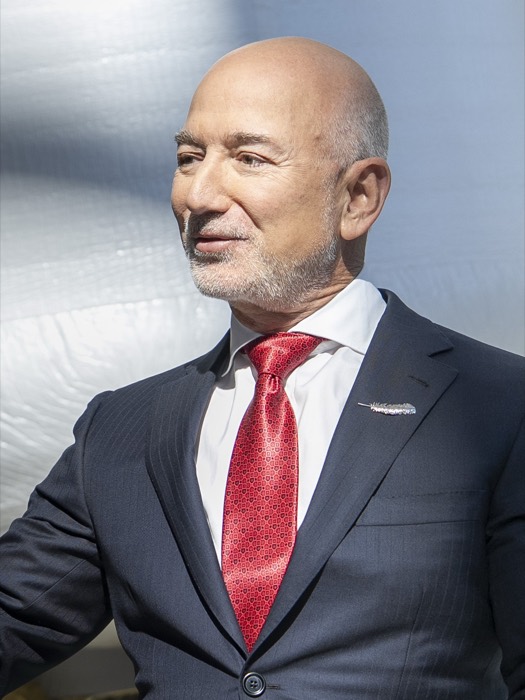
Jeff Bezos founded Amazon in 1994 in his Bellevue garage, writing his business plan in the back seat of a cross-country drive from New York after quitting his Wall Street job. Amazon started as an online bookstore and expanded into 'everything' — retail, cloud computing (AWS), entertainment, logistics, and smart home devices. By making bold long-term bets and tolerating short-term losses, Bezos built one of the most valuable companies in history.
He stepped down as Amazon CEO in 2021 after 27 years, handing the reins to Andy Jassy. He remains executive chairman. Outside Amazon, Bezos owns Blue Origin — a space company he founded in 2000 — and The Washington Post, purchased in 2013 for $250 million. Blue Origin's New Glenn rocket made its first flight in 2024, though it remains years behind SpaceX in orbital capability.
With a net worth of roughly $224 billion, Bezos is consistently among the top handful of wealthiest people on Earth. Since stepping back from Amazon, he has focused on Blue Origin, philanthropy through the Bezos Earth Fund, and personal pursuits — including a superyacht that famously required the temporary dismantling of a historic Rotterdam bridge to pass under.
Did You Know?
Bezos created his 'Regret Minimization Framework' to decide whether to start Amazon: he imagined himself at 80 looking back and asked whether he'd regret not trying. He would. He quit D.E. Shaw that afternoon.
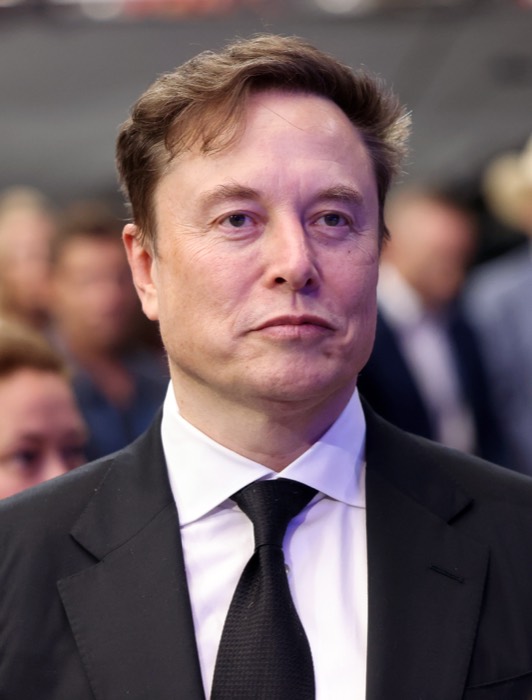
Elon MuskvsJeff Bezos
The Bezos vs. Musk rivalry is Silicon Valley's greatest space race — two billionaires betting their fortunes on who reaches orbit cheaper, faster, and first. Their competition spans rockets, satellite internet, AI, and ultimately, the question of whose vision for humanity's future prevails.
Head to Head
Net Worth Scale
Competing Businesses
Rivalry Timeline
Bezos sues NASA after it awards SpaceX — not Blue Origin — the $2.9B lunar lander contract. Elon responds: 'You can\'t sue your way to the moon.'
SpaceX becomes the world's most active launch provider. Blue Origin has yet to reach orbit. The capability gap becomes impossible to ignore.
Blue Origin's New Glenn finally reaches orbit on its first attempt. SpaceX launches 96 times the same year. The gap in launch cadence is stark.
Project Kuiper launches first 27 satellites — years behind Starlink's 6,000+. Bezos vows to catch up.